| Skip to Navigation | Skip to Sub-Navigation | Skip to Content | ||||||||||||||||||||||
 |
||||||||||||||||||||||
 |
 |
 |
||||||||||||||||||||
 |
||||||||||||||||||||||
History |
Virtual Tour |
About |
Links |
Contact |
||||||||||||||||||
|
||||||||||||||||||||||
| Home >> History >> Arrival of the Cistercians | ||||||||||||||||||||||
|
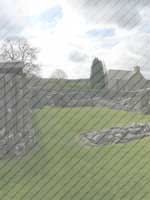
Arrival of the CisterciansThings changed majorly for Strata Florida from the 11th Century which marked the arrival of the Normans, led by William the Conqueror. Although not having a direct impact of this little area of Wales, the Conqueror bought with him a significant cultural reform. Church building became a serious business. Whilst St. Augustine had brought Christianity to England, St. Patrick to Ireland and St. David to Wales, the Norman invasion saw the influence of the Roman Catholic Church increase. About the OrderMonasteries were being built across the land. Several different orders developed, each developing their own rules and regulations, or 'orders'. The one that would effect Strata Florida the most was the Cistercian Order. Named after the Latin name 'Cistercium' for the French town of 'Cîteaux', where the first monastery was founded in 1098. Originally set up by a group of Benedictine Monks, the order was an attempt to re-visit and re-affirm the established rule of St. Benedict, which required a strict ascetic lifestyle. Monks looking for this would find that these were best served in a remote, wild setting. Strata Florida fitted the bill perfectly... Cistercians in Strata FloridaConstruction began on a different site, until the monastery was moved to its present location. When the Cistercians arrived, they straight away put their talents to good use. Cistercians were famed for their excellence in water management. The boggy flood plain was drained, water channels dug and re-dug. Strata Florida's landscape was permanently changed, fitting the needs of the arriving monks. With the land ready, construction began on what was to become the great monastery of 'Ystrad Fflur' or 'Strata Florida', meaning 'Vale of the Flowers' from the nearby river Fflur. Work on the Abbey church began in about 1184, and following the ravages of time and fire has undergone significant reconstruction since. Although all we can see today is the remains of the Abbey Church, the monks built much more. The Monastery consisted of the church at the centre, but dormitories were also required, along with a refectory, alms houses, gatehouses and all the other agricultural buildings needed to survive in the Middle Ages. |
|||||||||||||||||||||
| © Alistair Nottle 2006 |  Top of Page |
|||||||||||||||||||||
 |
||||||||||||||||||||||
 |
|
|
|
|
|
|
|
|
|
|
|
|||||||||||