| Skip to Navigation | Skip to Sub-Navigation | Skip to Content | ||||||||||||||||||||||
 |
||||||||||||||||||||||
 |
 |
 |
||||||||||||||||||||
 |
||||||||||||||||||||||
History |
Virtual Tour |
About |
Links |
Contact |
||||||||||||||||||
|
||||||||||||||||||||||
| Home >> History >> Dissolution of the Monasteries | ||||||||||||||||||||||
|
Dissolution of the Monasteries
Strata Florida owned more than just land. Strata Florida was one of the most important religious and political centres in Wales. Many Welsh Princes were buried at Strata Florida, as it enjoyed the patronage of the house of Deheubarth. Henry's Anger With the ChurchHenry's feud with the Roman Catholic Church famously came to a head when he wanted a divorce from his wife in order to marry Anne Boleyn. The Vatican refused to allow this, so Henry took the momentous decision to split from the Roman Catholic Church, and establish his own Church: the Church of England. Henry began the systematic dismantling of the Catholic Church's presence in the UK. He closed monasteries, seizing their lands and demolishing their buildings. Some churches were left intact, passing into use in the new protestant church, but most were taken apart and that which couldn't be sold were left to ruin. The same was to happen to Strata Florida. Monastic buildings were torn down, and the church nearly obliterated. Some parts were spared, most noticeably the great West Door, but Strata Florida's heyday had passed. Strata Florida continued to be a place of great social resonance to the Welsh people. It continued to be the wish of many people to be interred in the great burial ground that continued, and still continues, beside the remains of the Abbey Church. |
|||||||||||||||||||||
| © Alistair Nottle 2006 |  Top of Page |
|||||||||||||||||||||
 |
||||||||||||||||||||||
 |
|
|
|
|
|
|
|
|
|
|
|
|||||||||||
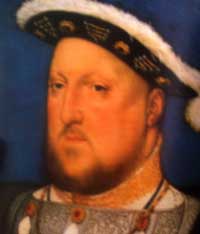 During the 16th Century, Henry VIII became unsettled with the power
that the Roman Catholic Church was gaining. Monasteries controlled
massive amounts of land. Strata Florida, and its outlying farms, known
as Grange Farms, dominated most of west Wales, with reaches past Aberystwyth
to the North, Newtown to the East, Llanwrtydd Wells to the South and
Aberaeron to the West.
During the 16th Century, Henry VIII became unsettled with the power
that the Roman Catholic Church was gaining. Monasteries controlled
massive amounts of land. Strata Florida, and its outlying farms, known
as Grange Farms, dominated most of west Wales, with reaches past Aberystwyth
to the North, Newtown to the East, Llanwrtydd Wells to the South and
Aberaeron to the West.