| Skip to Navigation | Skip to Sub-Navigation | Skip to Content | ||||||||||||||||||||||
 |
||||||||||||||||||||||
 |
 |
 |
||||||||||||||||||||
 |
||||||||||||||||||||||
History |
Virtual Tour |
About |
Links |
Contact |
||||||||||||||||||
|
||||||||||||||||||||||
| Home >> History >> The Early Landscape | ||||||||||||||||||||||
|
The Early LandscapeSomewhat of a wilderness, it is difficult to imagine what Strata Florida must have looked like before the Cistercian Monks arrived to tame it. Nearby Tregaron Bog hints at what Strata Florida must have looked like during pre-history and the first century AD. Wetlands would have surrounded the valley. Hillsides would be dotted with signs of occupation. It is still possible to see the remains of the Iron Age Hillforts that proudly stood over the valley, providing a refuge and safehaven for inhabitants, possibly centres of trade and industry, where those mining in the hills would bring their goods to be sold, or fashioned into something else of value. There is evidence that the Romans had some influence in the area. Roman mines can still be seen in the area, with the nearby Dolaucothi Roman Goldmines opened by the National Trust. Although not always succesful in Wales, the Romans still brought culture and influence into the wild Welsh lands. |
|||||||||||||||||||||
| © Alistair Nottle 2006 |  Top of Page |
|||||||||||||||||||||
 |
||||||||||||||||||||||
 |
|
|
|
|
|
|
|
|
|
|
|
|||||||||||
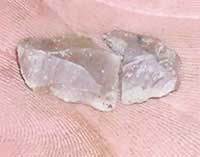 Evidence
shows us that humans have been present since the earliest stages of
human occupation in Wales. During what is known as the 'Stone
Age', hunters and gatherers would have roamed through the valleys,
hunting with their bows and arrows, spears and hand axes. Some
of these tools survive today, evidence of our ancestor's everyday life.
Evidence
shows us that humans have been present since the earliest stages of
human occupation in Wales. During what is known as the 'Stone
Age', hunters and gatherers would have roamed through the valleys,
hunting with their bows and arrows, spears and hand axes. Some
of these tools survive today, evidence of our ancestor's everyday life.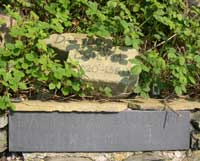 When Rome had withdrawn its interest in the UK, Welsh tradition
and culture continued to evolve. During this time, Strata
Florida began
its journey as one of the key centres of Welsh culture. The
great Poet Dafydd ap Gwilym lies buried in the graveyard.
When Rome had withdrawn its interest in the UK, Welsh tradition
and culture continued to evolve. During this time, Strata
Florida began
its journey as one of the key centres of Welsh culture. The
great Poet Dafydd ap Gwilym lies buried in the graveyard.